
6 Tips for Living with a Joint Replacement
6 Simple Tips for Living Comfortably After a Joint Replacement Are you recovering from a knee, hip, or shoulder replacement? A joint replacement can improve your movement and reduce pain, but adjusting to the new joint takes time and care. In this blog, Dr. Gaurav Jain shares 6 easy and effective tips to help you recover faster and live a more active, pain-free life. 1. Follow Your Rehabilitation Plan Your recovery starts with a good rehab plan. Your physiotherapist will give you simple exercises to build strength and improve movement in your new joint. Make sure to: Do the exercises daily Attend all therapy sessions Be patient with your progress 🟢 Consistent rehab = faster recovery. 2. Stay Active, But Don’t Overdo It Moving regularly helps your body heal—but too much movement can cause pain or slow down recovery. Try low-impact activities such as: Walking Swimming Light stretching 🚫 Avoid heavy lifting or high-impact sports until your doctor approves. 3. Maintain a Healthy Weight Extra body weight puts more pressure on your joints. By staying at a healthy weight, you: Protect your new joint Reduce the risk of future pain or problems Heal more efficiently 🍎 Choose healthy foods and stay active in safe ways. 4. Use Support Devices When Needed Using a walker, crutches, or cane is completely okay if your doctor or therapist recommends them. These devices help: Keep you safe while walking Reduce the risk of falling Avoid pressure on your healing joint 🦯 Support now means stronger steps late 5. Listen to Your Body Your body gives you signals. Don’t ignore them. If you feel: Sharp or ongoing pain Swelling or redness Trouble moving the joint 👉 Contact your doctor. Early treatment prevents serious problems. 6. Eat Nutritious Foods for Bone Health A balanced diet plays a big role in healing. Include foods rich in: Calcium (milk, leafy greens) Vitamin D (sunlight, eggs, fish) Protein (lean meats, lentils) 🥗 Good food = strong bones and faster recovery. Enjoy Life with Your New Joint Yes, a joint replacement requires some adjustments—but you can still live an active, pain-free life. Stick to your rehab, eat well, and stay in touch with your doctor. 🧘♂️ Small efforts every day will lead to big results over time. When Should You See a Doctor? Call your doctor if you experience: Persistent pain Unusual swelling Difficulty walking or moving These could be signs of a complication that needs medical care. Let dr. gaurav jain Guide You Every patient’s recovery is unique. dr. Gaurav Jain is a trusted joint replacement specialist who offers personalized care and expert advice. 📞 Book your consultation today and get the right guidance for a smooth and healthy recovery.
How to Accelerate Recovery Following Joint Replacement Surgery
Joint replacement surgery can be life-changing. It helps people get rid of constant pain and return to a more active, comfortable life. However, the success of the surgery also depends on how well you recover after the procedure. At Bonexpert, we believe that recovery is just as important as the surgery itself. Recovering from joint replacement surgery takes time, patience, and commitment. But with the right steps, you can speed up your recovery and return to your normal activities faster and safer. In this blog, we will guide you through simple and effective ways to accelerate your recovery after joint replacement surgery. Follow Your Doctor’s Instructions After your surgery, your doctor and healthcare team will give you clear instructions about medicines, wound care, movement, and activities. It is important to follow these instructions carefully. Taking the right medications on time, keeping the surgical area clean, and avoiding certain activities in the early days will prevent complications like infections or injuries. Tip: Keep a checklist or a daily schedule to track your medicines, exercises, and follow-up appointments. Start Gentle Movement Early Many patients think they should rest completely after surgery. While rest is important, too much bed rest can slow down your healing. Doctors usually recommend starting gentle movement within a day or two after surgery. Simple exercises like ankle pumps, leg lifts, or walking with support help improve blood circulation, reduce the risk of blood clots, and strengthen your muscles. Tip: Always do exercises as advised by your physiotherapist. Never force yourself to move more than you are told. Attend Physiotherapy Sessions Physiotherapy plays a major role in recovery after joint replacement surgery. A trained physiotherapist will teach you exercises to improve flexibility, strength, and balance. Regular sessions help you regain movement and make sure your new joint functions properly. Skipping physiotherapy can delay your recovery and even cause long-term problems. Tip: Be regular with your physiotherapy appointments and practice the exercises at home as instructed. Maintain a Healthy Diet Eating healthy food is important for faster healing. Your body needs enough nutrients like proteins, vitamins, and minerals to repair tissues and strengthen bones. Foods to include: Lean meats, fish, eggs (for protein) Fresh fruits and vegetables (for vitamins) Whole grains (for energy) Milk, yogurt, and cheese (for calcium) Tip: Stay hydrated by drinking enough water throughout the day. Avoid processed foods and sugary drinks. Manage Your Weight Carrying extra weight puts additional stress on your new joint. This can slow down healing and cause discomfort. If you are overweight, your doctor may suggest a weight management plan. Losing even a small amount of weight can make a big difference to your joint health and overall recovery. Tip: Follow a balanced diet and do low-impact exercises as recommended by your doctor or physiotherapist. Use Assistive Devices Properly In the first few weeks after surgery, you might need support to move around safely. Devices like walkers, crutches, or canes can help you maintain balance and prevent falls. Using these aids properly also protects your new joint from sudden strain. Tip: Do not rush to walk without support until your doctor advises. Safety comes first. Focus on Pain Management Pain after surgery is normal. Managing it well helps you move comfortably and continue with your exercises. Your doctor may prescribe pain relievers, or suggest cold therapy and gentle stretching to ease pain and swelling. Tip: Take pain medications as prescribed. Never skip them if your doctor advises regular intake, even if the pain seems less. Get Enough Sleep Good quality sleep helps your body heal faster. During sleep, your body repairs tissues, reduces inflammation, and strengthens your immune system. Tip: Arrange a comfortable sleeping position that does not put pressure on your operated joint. Use pillows for support if needed. Stay Positive and Patient Recovery after joint replacement surgery is not instant. It takes time, effort, and a positive attitude. Feeling frustrated or impatient is normal, but staying motivated will help you heal faster. Celebrate small milestones like walking a few more steps, bending your knee a little more, or managing a full night’s sleep without discomfort. Tip: Set small daily or weekly goals for yourself and appreciate your progress. Watch for Warning Signs While recovery usually goes smoothly, you should be alert for warning signs like: Unusual swelling or redness around the surgery site Fever Increased pain Difficulty in moving the joint Signs of infection (like pus or foul smell) If you notice any of these symptoms, contact your doctor immediately. Tip: Never ignore unusual symptoms, even if they seem small. Conclusion Recovering from joint replacement surgery is a journey that needs patience, discipline, and support. By following your doctor’s advice, staying active, eating healthy, and keeping a positive attitude, you can accelerate your healing and return to a better quality of life. At Bonexpert, we are here to support you through every step of your recovery journey. With the right care and commitment, you can enjoy your new joint and live a more active, pain-free life.
How Bad Posture Can Cause Chronic Back Pain – and How to Correct It
At Bonexpert, we often meet people who suffer from chronic back pain without realizing that their daily posture is a major cause. Bad posture may seem harmless at first, but over time it can place a lot of stress on your spine, muscles, and joints, leading to long-term discomfort and even serious health problems. The good news is that correcting your posture is possible with the right habits and awareness. In this blog, we will explain how poor posture leads to chronic back pain and simple ways to fix it. How Bad Posture Leads to Chronic Back Pain Posture is the way you hold your body while sitting, standing, or moving. Good posture means your bones, muscles, and joints are aligned properly, reducing strain on your body. Bad posture, on the other hand, puts uneven pressure on your spine and muscles. Here’s how poor posture can cause chronic back pain: Increased Pressure on the Spine When you slouch or hunch forward, the natural curves of your spine are disturbed. This puts extra pressure on the vertebrae and discs in your back, especially in the lower back and neck regions. Over time, this extra pressure can lead to disc problems, muscle tightness, and chronic pain. Weakening of Muscles Good posture keeps your muscles strong and active. Poor posture makes some muscles overwork while others become weak. For example, slouching can weaken the muscles of your core and lower back, making it harder for your body to support itself properly. Weak muscles mean your spine doesn’t get the support it needs, which can result in long-term pain and injury. Restricted Blood Flow Bad posture can restrict blood flow to your muscles and tissues. Reduced blood flow means less oxygen and nutrients reach your muscles, which can cause fatigue, tension, and pain. Nerve Compression Poor posture can sometimes pinch the nerves around the spine. This can lead to numbness, tingling, or sharp pain in the back and other parts of the body, like the arms or legs. Common Signs of Poor Posture You may not always realize that your posture is bad. Look out for these signs: Rounded shoulders Forward head position Slouched or hunched back Uneven hips or shoulders Frequent back, neck, or shoulder pain Feeling tired or tense after sitting or standing for a long time If you notice these signs, it’s time to start working on your posture. How to Correct Bad Posture and Relieve Back Pain The good news is that improving your posture doesn’t require expensive treatments. Small daily changes can make a big difference. Be Aware of Your Posture The first step is awareness. Pay attention to how you sit, stand, and move. Make a habit of checking your posture throughout the day. Tip: Stand tall with your shoulders back, chest open, and chin slightly tucked. Imagine a straight line running from the top of your head down to your feet. Strengthen Your Core Muscles Your core muscles (abdomen, back, and pelvis) are essential for supporting your spine. Strengthening these muscles helps you maintain good posture naturally. Exercises that help: Planks Bridges Gentle abdominal exercises Yoga and Pilates Set Up an Ergonomic Workspace If you work at a desk, your workspace should support good posture. Tips: Adjust your chair so your feet are flat on the ground. Your knees should be at a 90-degree angle. Keep your computer screen at eye level to avoid bending your neck. Use a chair that supports your lower back. Take Regular Breaks Sitting for long periods can lead to poor posture and back pain. Make it a point to stand up, stretch, or walk around for a few minutes every hour. Tip: Set a timer or use a reminder app to prompt you to take breaks. Practice Stretching and Flexibility Exercises Regular stretching keeps your muscles flexible and helps correct imbalances caused by poor posture. Good stretches include: Chest opener stretches Shoulder rolls Hip flexor stretches Hamstring stretches Stretching daily can ease tension and improve your overall posture. Use Supportive Footwear Believe it or not, your footwear can affect your posture. Wearing shoes without proper support can misalign your entire body, leading to back pain. Tip: Choose shoes with good arch support and cushioning. Avoid high heels for long periods. Sleep in a Proper Position Your sleeping posture also affects your spine health. Sleeping on your stomach can strain your neck and back. Tip: Sleep on your back or side with a supportive pillow under your head. If you sleep on your side, placing a pillow between your knees can help maintain spinal alignment. Strengthen Your Back Muscles In addition to core muscles, strong back muscles are crucial for maintaining posture. Exercises that help: Rows Reverse flys Lat pulldowns Wall angels A strong back will naturally pull your shoulders into proper alignment. Conclusion Bad posture is more harmful than most people realize. Over time, it can lead to chronic back pain, muscle weakness, and serious health problems. The good news is that correcting your posture is within your control. By being mindful of your posture, strengthening your muscles, setting up an ergonomic environment, and practicing daily stretches, you can prevent and even reverse back pain. At Bonexpert, we encourage you to take small but consistent steps toward better posture and a healthier spine. Remember, good posture is not just about looking confident — it’s about protecting your body and living pain-free. Stay strong, stay active, and take care of your back every day!
How Lifestyle Changes Can Prevent Knee and Shoulder Pain
At Bonexpert, we believe that healthy joints are the foundation of a happy and active life. Knee and shoulder pain can limit your daily activities, affect your work, and even impact your mood. The good news is that many cases of knee and shoulder pain can be prevented with simple lifestyle changes. By making a few adjustments in your daily routine, you can protect your joints and enjoy better mobility for years to come. In this blog, we will discuss how small changes in your habits can make a big difference in preventing knee and shoulder problems. Maintain a Healthy Weight Keeping your body weight under control is one of the most important ways to prevent joint pain. Excess weight puts extra pressure on your knees and shoulders, increasing the risk of wear and tear over time. Studies show that every extra kilogram you carry can add up to four kilograms of pressure on your knees. Over time, this can lead to joint damage, pain, and conditions like osteoarthritis. Tip: Follow a balanced diet, exercise regularly, and avoid crash diets. Focus on long-term, sustainable habits that help you maintain a healthy weight Stay Active with the Right Exercises Regular exercise is key to keeping your joints healthy, but it’s important to choose the right activities. Low-impact exercises like swimming, cycling, and walking can strengthen the muscles around your knees and shoulders without putting too much strain on them. Strength training is also important because strong muscles support your joints. For example, strong thigh muscles help reduce pressure on your knees, and strong shoulder muscles help keep your shoulder joints stable. Tip: Include stretching and flexibility exercises in your routine to improve joint movement and prevent stiffness. Practice Good Posture Poor posture can put unnecessary stress on your joints, especially your shoulders and back. Sitting for long hours with a rounded back or slouched shoulders can lead to muscle imbalances and joint problems over time. Tip: Whether you are working at a desk or standing for long periods, maintain a straight back, relaxed shoulders, and even weight distribution. Make sure your workstation is set up properly to support good posture. Warm Up and Cool Down Many people skip warming up before exercise, but this can lead to injuries. Warming up prepares your muscles and joints for activity, improving blood flow and flexibility. Cooling down after exercise helps your muscles relax and recover. Tip: Spend at least 5-10 minutes warming up before starting any physical activity. Gentle stretching after exercise can also help reduce muscle stiffness and joint soreness. Listen to Your Body Pain is your body’s way of telling you that something is wrong. Ignoring early signs of discomfort in your knees or shoulders can turn a small problem into a bigger one. If you feel pain during a particular movement, stop and rest. Continuing to push through the pain can cause further injury. Tip: If the pain persists or worsens, seek advice from a healthcare professional to prevent serious damage. Improve Your Footwear Wearing the right shoes plays an important role in maintaining healthy knees. Poorly fitted shoes, high heels, or shoes without proper support can affect your walking pattern and increase the risk of knee injuries. Tip: Choose comfortable shoes with good arch support and cushioning. Replace worn-out shoes in time, especially if you are active or stand for long hours. Make Ergonomic Adjustments Simple changes in your home and work environment can help protect your joints. For example, adjusting the height of your chair, using a supportive pillow, or setting up your computer screen at eye level can help maintain a healthy posture and reduce strain on your shoulders and knees. Tip: If you lift heavy objects, always use your legs and not your back or shoulders to avoid injuries. Manage Stress Believe it or not, stress can indirectly affect your joint health. High-stress levels can lead to muscle tension, poor posture, and reduced physical activity, all of which can increase your risk of joint problems. Tip: Practice relaxation techniques like deep breathing, meditation, or yoga. Taking short breaks throughout the day can also help release tension. Stay Hydrated Water is essential for keeping your joints lubricated. Dehydration can lead to joint stiffness and increase the risk of injury. Tip: Aim to drink at least 6-8 glasses of water every day. If you are active or the weather is hot, you may need even more. Avoid Overuse Repetitive movements can cause overuse injuries, especially in the shoulders. Athletes, workers who perform repetitive tasks, and even people who spend long hours typing are at risk. Tip: Take regular breaks, vary your activities, and use proper techniques when lifting, reaching, or typing. Conclusion Preventing knee and shoulder pain is not about making big changes overnight. It is about adopting small, smart habits that support your joint health every day. By maintaining a healthy weight, staying active with proper exercises, practicing good posture, and taking care of your joints through simple daily habits, you can enjoy a pain-free and active life. At Bonexpert, we are committed to helping you take better care of your joints. Remember, a little prevention today can save you from a lot of discomfort tomorrow. Stay active, stay healthy!
Top 5 Mistakes That Lead to Knee and Shoulder Injuries
Why Do Knee and Shoulder Injuries Happen? Knee and shoulder problems are common, but many of them can be avoided. People often make small mistakes in daily life or during exercise that hurt their joints. These mistakes can lead to pain, swelling, or long-term damage. In this blog, we’ll share the top 5 mistakes that can cause knee and shoulder injuries—and how you can avoid them. Not Warming Up or Stretching Before Activity One big mistake is skipping warm-ups or stretches before exercise. Your joints and muscles need time to get ready. If you start moving suddenly, your body isn’t prepared, and that increases your chance of injury. Always take a few minutes to warm up and do light stretching before any physical activity like walking, running, or lifting. Bad Posture and Wrong Movements Standing, sitting, or moving in the wrong way can put pressure on your knees and shoulders. For example, lifting something heavy without bending your knees or working at a desk with bad posture can cause joint pain. Learn the correct way to sit, stand, lift, and move during daily activities or workouts. This will protect your joints from getting hurt. Doing Too Much Without Rest Overworking your body or repeating the same movement again and again can strain your joints. Whether it’s exercising too hard, lifting heavy things, or playing sports without breaks, it can damage your knees and shoulders. Always take rest days between workouts and listen to your body. Rest helps your muscles and joints recover and grow stronger. Wearing the Wrong Shoes or Equipment Old, worn-out shoes or the wrong gear can affect your balance and increase stress on your joints. For example, if your shoes don’t support your feet properly, it can cause knee pain. Make sure to use good-quality footwear and safety gear that match your activity. This simple step can help prevent many injuries. Ignoring Pain and Waiting Too Long Some people think small pain will go away on its own. But if you ignore it, the injury can get worse over time. If you feel ongoing pain, swelling, or discomfort in your knees or shoulders, it’s best to get help early. Bonexpert offers expert care for joint problems—so don’t wait until it becomes serious. Keep Your Joints Safe and Stay Active After any surgical procedure, the body naturally produces scar tissue during the healing process. If not managed properly, scar tissue can become tight and reduce movement in the area. Physiotherapy helps break down and stretch scar tissue through massage, mobilization techniques, and targeted exercises. Boosts Mental Well-being Avoiding these five common mistakes can help protect your knees and shoulders. By warming up, using the right gear, maintaining good posture, and taking rest when needed, you can enjoy a pain-free, active life. Need Help With Knee or Shoulder Pain? Visit Bonexpert If you are dealing with joint pain, don’t ignore it. Bonexpert is here to help. Our team provides expert diagnosis and treatment for knee and shoulder issues. Book your consultation today and take the first step toward better mobility and a healthier life. Conclusion Taking care of your knees and shoulders doesn’t have to be complicated. By avoiding these five common mistakes—like skipping warm-ups, using poor posture, overworking your body, wearing the wrong shoes, and ignoring pain—you can protect your joints and reduce the risk of injuries. Stay mindful of how you move and take small steps every day to keep your joints strong and pain-free. If you’re facing joint pain, don’t wait. Bonexpert is here to provide expert care and help you recover faster. Book your appointment today and take the first step toward a pain-free, active lifestyle. Frequently Asked Questions (FAQs) What are the most common causes of knee and shoulder injuries? Most injuries happen due to poor posture, skipping warm-ups, overuse, wearing the wrong footwear, or ignoring early pain signs. How can I prevent joint injuries during exercise? Warm up properly, use correct form, wear proper shoes, and don’t overtrain. Also, rest is just as important as exercise. When should I see a specialist for knee or shoulder pain? If the pain lasts more than a few days, limits your movement, or causes swelling, it’s time to visit a specialist like Bonexpert. Can ignoring minor pain lead to serious joint problems? Yes, untreated joint pain can get worse over time and lead to chronic injuries. Early treatment helps prevent long-term issues. Does Bonexpert offer treatment for both knee and shoulder conditions? Yes, Bonexpert provides expert care and treatment for all types of knee and shoulder problems, including injuries, pain, and post-surgery recovery.
Why Physiotherapy for Post-Surgery Recovery is Crucial | Bonexpert
Recovering from surgery is a journey that involves more than just rest and medication. For many patients, physiotherapy plays a vital role in the healing process. Whether it’s after orthopedic surgery, joint replacement, spine surgery, or any major procedure, physiotherapy helps restore movement, build strength, and improve overall quality of life. At BonExpert, we believe that a well-planned physiotherapy program is essential to a smooth and effective recovery. Here’s why physiotherapy is so important after surgery. Speeds Up the Recovery Process After surgery, the body needs time to heal. However, complete rest can sometimes slow down recovery or lead to other complications like stiffness or muscle weakness. Physiotherapy helps patients get moving in a safe and controlled way. With guided exercises and techniques, it improves blood circulation, reduces swelling, and helps the body heal faster. In most cases, starting physiotherapy early—sometimes within a day or two after surgery—can lead to better results and a quicker return to normal life. Restores Mobility and Flexibility Surgeries involving joints, bones, or muscles can limit your range of motion. For example, knee or hip replacement surgery can make walking, bending, or climbing stairs difficult in the beginning. Physiotherapy focuses on gentle movements and stretching exercises that restore flexibility and joint mobility over time. A skilled physiotherapist guides patients through exercises that are suitable for their condition and stage of recovery. These movements are designed to slowly improve flexibility without putting stress on the healing area. Strengthens Muscles Muscle weakness is a common side effect of surgery, especially if the patient has been on bed rest for several days or weeks. Without physical activity, muscles lose their strength and tone. Physiotherapy includes strength training exercises that help rebuild the muscles surrounding the affected area. By strengthening the body, physiotherapy also reduces the risk of re-injury or complications in the future. Strong muscles provide better support to joints and bones, improving overall stability. Reduces Pain and Inflammation Many people think that pain after surgery is something they just have to tolerate. While some discomfort is normal, it can be managed more effectively with physiotherapy. Techniques such as manual therapy, ultrasound, ice/heat therapy, and specific movements are often used to reduce pain and inflammation. These methods help stimulate the body’s natural healing process and reduce the need for long-term pain medications, which can have side effects. Improves Balance and Coordination After surgeries such as spinal surgery, joint replacement, or even some abdominal surgeries, patients may feel unsteady or lose their sense of balance. Physiotherapists use exercises that focus on improving coordination, balance, and body awareness. This is especially important for elderly patients or those at risk of falling. Regaining balance helps patients move more confidently and prevents falls during the recovery period. Prevents Scar Tissue Stiffness After any surgical procedure, the body naturally produces scar tissue during the healing process. If not managed properly, scar tissue can become tight and reduce movement in the area. Physiotherapy helps break down and stretch scar tissue through massage, mobilization techniques, and targeted exercises. Boosts Mental Well-being Surgery can take a toll not just on the body, but also on the mind. Dealing with pain, limited mobility, and dependence on others can lead to frustration or even depression. Regular physiotherapy sessions offer structure and support, keeping patients motivated and engaged in their recovery. Physical activity also boosts mood by releasing endorphins—natural chemicals in the brain that help you feel better. Many patients report improved mental health as they see progress in their physical abilities. Helps Regain Independence One of the most rewarding outcomes of physiotherapy is that it helps patients return to their daily routines. Simple activities like dressing, bathing, cooking, or walking outside may seem difficult after surgery. Physiotherapists set achievable goals and work step-by-step with patients to help them regain control over their lives. With time and consistent effort, patients often find themselves returning to work, enjoying hobbies, and reconnecting with their normal lifestyle sooner than expected. Conclusion Post-surgery recovery is not just about waiting for the body to heal on its own. Active rehabilitation through physiotherapy is essential for a complete and safe recovery. From improving strength and flexibility to managing pain and enhancing mental health, physiotherapy provides a holistic approach to healing. At BonExpert, we are committed to providing personalized physiotherapy programs designed to meet your recovery needs. Our experienced team ensures that every patient gets the care and support they need to heal better and live healthier. If you or your loved one is preparing for surgery or currently recovering, don’t overlook the importance of physiotherapy. It’s a key part of your journey back to full health. Ice packs, leg elevation, and painkillers help manage post-operative discomfort.
Knee Replacement Surgery: A Complete Guide to Recovery
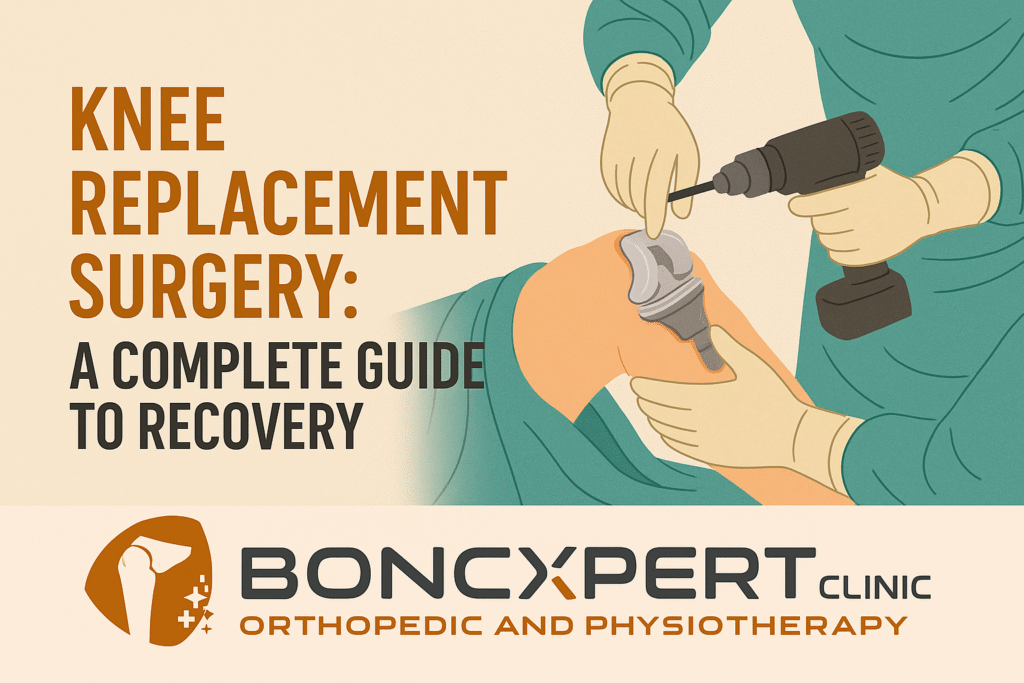
Knee replacement surgery, also known as knee arthroplasty, is a transformative procedure that helps individuals suffering from chronic knee pain regain mobility and improve their quality of life. Whether the cause is osteoarthritis, rheumatoid arthritis, or injury, this surgery has proven to be life-changing for many. In this complete guide, we’ll walk you through the recovery process, tips for a smooth post-operative journey, and how to get expert help—especially if you’re looking for the best Knee Replacement Surgery in Udaipur. What is Knee Replacement Surgery? Knee replacement surgery involves removing damaged or worn-out parts of the knee joint and replacing them with artificial implants made of metal, plastic, or ceramic materials. The procedure can be total or partial, depending on the extent of damage in the joint. Types of Knee Replacement: Total Knee Replacement (TKR) – Replaces both sides of the knee joint. Partial Knee Replacement (PKR) – Replaces only the damaged part of the knee. Revision Knee Replacement – Performed when the previous implant fails or wears out. Recovery Timeline After Knee Replacement 1. Hospital Stay (0–3 days post-surgery) Most patients stay in the hospital for 1–3 days. Pain management and gentle movement exercises begin during this time. Physical therapy starts early to avoid stiffness. 2. First Two Weeks Focus on regaining strength and mobility. Walking aids like crutches or walkers are used. Gentle stretching and daily exercises recommended by the doctor. 3. Weeks 3–6 Walking becomes easier. Swelling and pain reduce significantly. Patients can resume light daily activities and physiotherapy intensifies. 4. Months 2–3 Most people return to work (desk jobs). Continued improvement in flexibility and strength. Some light exercise like swimming or cycling is allowed. 5. Full Recovery (3–6 months) Full mobility is usually restored. Long walks, stair climbing, and even light jogging may be possible. Tips for a Smooth Recovery Follow Your Doctor’s Instructions Take prescribed medications on time. Follow dietary and lifestyle recommendations. Attend Physical Therapy Regularly Helps regain strength, flexibility, and joint mobility. Skipping sessions can delay recovery. Stay Active (but don’t overdo it) Gentle walking and stretching are crucial. Avoid high-impact activities until cleared by your surgeon. Manage Pain and Swelling Ice packs, leg elevation, and painkillers help manage post-operative discomfort. Prepare Your Home in Advance Install handrails in bathrooms. Remove tripping hazards and keep essentials within reach. Diet and Nutrition for Knee Surgery Recovery A balanced diet plays a vital role in healing: Protein-rich foods (like eggs, nuts, and fish) aid in tissue repair. Calcium and Vitamin D strengthen bones. stay hydrated and avoid processed foods for better recovery outcomes When to Contact a Doctor Post-Surgery While mild pain and swelling are common, consult your surgeon if you experience: High fever Excessive swelling or redness Persistent pain that doesn’t respond to medication Signs of infection at the surgical site Choosing the Right Surgeon and Hospital Getting the best care is essential for a successful recovery. If you are in Rajasthan and considering this procedure, we highly recommend exploring options for Knee Replacement Surgery in Udaipur with Bonexpert—a trusted name known for advanced surgical techniques and excellent patient care. Bonexpert provides: State-of-the-art surgical facilities Experienced orthopedic specialists Personalized pre- and post-operative care Transparent pricing and treatment plans Final Thoughts Knee replacement surgery is a significant step toward reclaiming an active, pain-free life. While the recovery journey requires patience and effort, with the right guidance and expert care, you’ll be back on your feet stronger than ever. If you’re seeking Knee Replacement Surgery in Udaipur, trust Bonexpert to provide you with top-notch care, advanced treatment options, and a smooth recovery process. Frequently Asked Questions (FAQs) How long does it take to recover from knee replacement surgery? Recovery usually takes between 3 to 6 months, depending on the individual’s health, age, and dedication to physical therapy. Is knee replacement surgery painful? Some pain is expected after surgery, but it’s manageable with medications and typically subsides as recovery progresses. Can I walk after knee replacement surgery? Yes. Most patients are encouraged to start walking (with assistance) within 24 hours post-surgery. What activities should I avoid after knee surgery? Avoid high-impact activities such as running, jumping, or heavy lifting until your doctor gives the green light. Is it safe to travel after knee replacement surgery? Short trips can be possible after a few weeks, but long-distance travel should be discussed with your surgeon.
How to Prevent Joint Pain as You Age? Expert Tips & Exercises

As we grow older, our bodies begin to show signs of wear and tear—one of the most common being joint pain. Whether it’s your knees, hips, shoulders, or hands, joint discomfort can significantly affect your mobility, mood, and quality of life. But aging doesn’t have to mean constant pain or stiffness. With the right knowledge, lifestyle choices, and targeted exercises, you can age gracefully while keeping your joints healthy and pain-free. At bonexpert.in, we believe prevention is the best medicine. Here’s your complete guide to understanding and preventing joint pain as you age. Why Does Joint Pain Increase with Age? As we age, several factors contribute to joint issues: Cartilage Wear and Tear: Cartilage, the cushion between bones, naturally wears down over time. Reduced Synovial Fluid: This fluid helps lubricate joints. With age, its production slows down. Muscle Weakness: Weaker muscles can’t support joints well, causing strain. Bone Density Loss: Conditions like osteoporosis make bones more fragile, affecting joints. Inflammatory Conditions: Aging increases your risk of arthritis, particularly osteoarthritis and rheumatoid arthritis. While these changes are natural, they aren’t inevitable. With proactive care, you can minimize or delay their effects Expert Tips to Prevent Joint Pain 1. Maintain a Healthy Weight Every extra kilo puts additional pressure on your joints—especially knees, hips, and lower back. Maintaining a healthy weight can significantly reduce your risk of joint degeneration. Tip: Aim for a balanced diet rich in lean proteins, fiber, and healthy fats. Avoid processed sugars and high-sodium foods that trigger inflammation. 2. Stay Hydrated Water helps maintain the lubrication of your joints. Dehydrated joints can become stiff and painful. Tip: Drink at least 2-3 liters of water daily. Include water-rich foods like cucumbers, oranges, and watermelon. 3. Consume Anti-Inflammatory Foods Some foods naturally help reduce inflammation in the body, which in turn eases joint stress. Joint-friendly foods include: Omega-3 fatty acids: Found in flaxseeds, walnuts, and fatty fish like salmon. Leafy greens: Rich in antioxidants and calcium. Turmeric: Contains curcumin, a potent anti-inflammatory compound. Berries: Packed with antioxidants that fight joint-damaging free radicals. 4. Exercise Regularly Movement is essential to joint health. It strengthens muscles, maintains flexibility, and keeps your joints active. Types of beneficial exercises: Low-impact cardio: Walking, swimming, or cycling. Strength training: Helps support and stabilize joints. Flexibility exercises: Yoga or stretching improves joint range of motion 5. Protect Your Joints During Daily Activities Simple adjustments to your posture and daily habits can prevent unnecessary strain on your joints. Tips: Lift with your knees, not your back. Use ergonomic furniture and tools. Avoid sitting in the same position for long periods. Wear supportive footwear 6. Supplements for Joint Health Some supplements are known to support joint function and reduce inflammation. Common supplements include: Glucosamine and Chondroitin: Help repair cartilage and reduce pain. Vitamin D and Calcium: Essential for bone strength. Omega-3 fatty acids: Fight inflammation. Collagen: Helps maintain cartilage elasticity. Note: Always consult your doctor before starting any supplement 7. Don’t Ignore Joint Pain Pain is your body’s way of signaling a problem. Ignoring it or self-medicating can lead to worsening conditions. What to do: Consult a physiotherapist or orthopedic expert. Get regular joint health check-ups, especially if you’re above 40. Use cold or heat packs for temporary relief after physical activity Top 6 Exercises to Strengthen Your Joints Regular exercise is the key to preventing and managing joint pain. Here are some safe and effective exercises recommended by physiotherapists: Walking Walking is a low-impact exercise that keeps your joints moving and your heart healthy. Duration: 30 minutes daily Tip: Wear cushioned shoes and walk on flat surfaces to avoid stress on the knees. Quadriceps Strengthening Strong thigh muscles help support your knees. Exercise: Sit on a chair. Place a rolled towel under your knee. Press the knee downward, tightening the thigh. Hold for 5 seconds and release. Repetitions: 10–15 times each leg Hamstring Stretch This stretch improves flexibility and reduces knee strain. Exercise: Lie on your back and raise one leg. Hold behind your thigh and gently pull it towards you. Hold for 20–30 seconds. Repetitions: 2–3 times per leg Hip Bridges This strengthens your glutes and core, which support your hips and back. Exercise: Lie on your back, knees bent, feet flat. Lift your hips, squeeze your glutes, and hold for 5 seconds. Lower slowly. Repetitions: 10–15 times Shoulder Rolls Helps prevent shoulder stiffness and improves posture. Exercise: Sit or stand straight. Roll your shoulders up, back, and down in a circular motion. Repetitions: 10 forward, 10 backward Ankle Circles Good for improving circulation and preventing stiffness in the lower limbs. Exercise: Sit or lie down. Lift one leg slightly off the ground. Rotate your ankle in circles—10 times clockwise, then 10 times counter-clockwise. Final Words Aging is inevitable, but joint pain doesn’t have to be. With the right preventive care, you can enjoy a mobile, pain-free, and active life well into your golden years. Start small, stay consistent, and most importantly, listen to your body. If you’re already experiencing joint discomfort or want to build a personalized joint care plan, don’t hesitate to consult the experts at bonexpert.in. From advanced diagnostics to personalized physiotherapy, we’re here to help you move better, live healthier, and age gracefully. 💡 Stay connected with bonexpert.in for more expert health tips, wellness plans, and joint-care exercises. Your journey to pain-free living starts here!
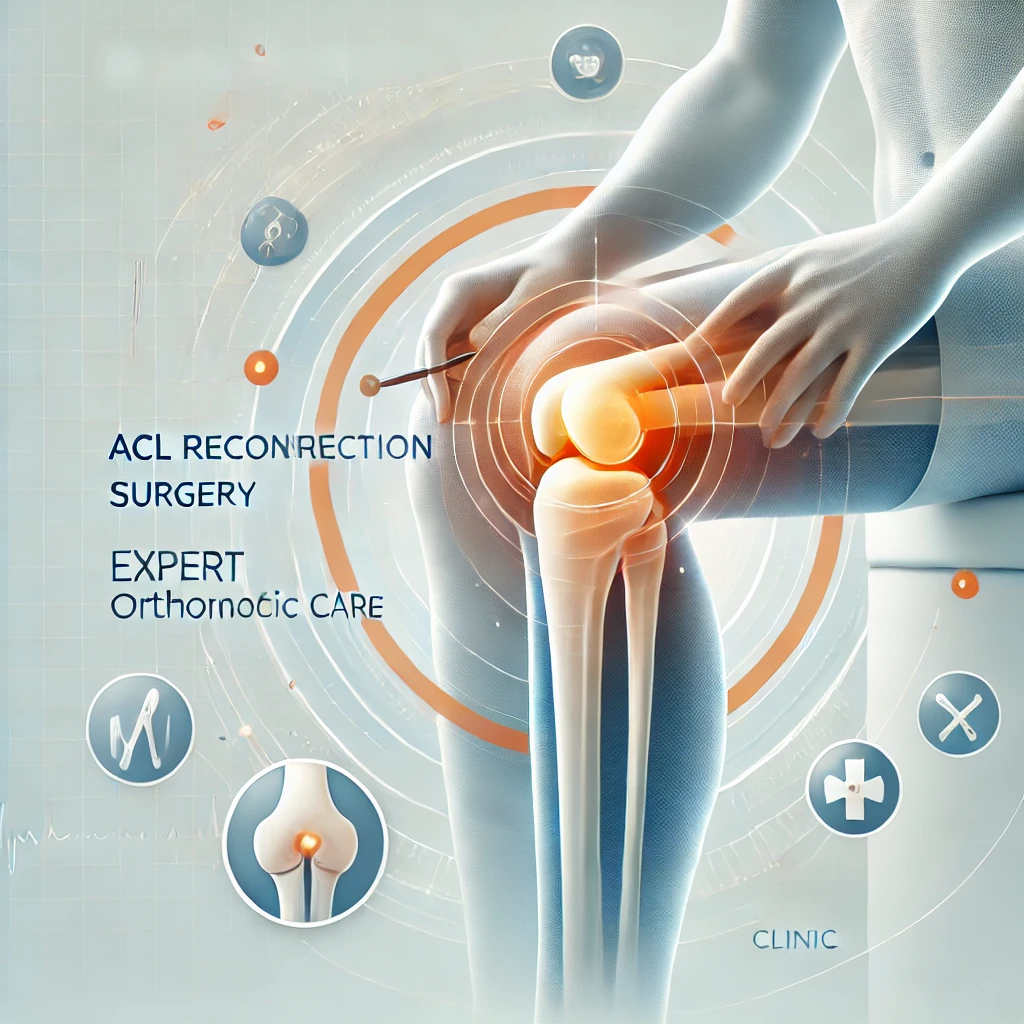
ACL Reconstruction: What to Expect Before, During & After Surgery | Bonexpert
Why ACL Injuries Are Common The anterior cruciate ligament, or ACL, is one of the most important ligaments in the knee. It plays a vital role in stabilizing the joint, especially during activities that involve sudden stops, pivoting, or changes in direction—like basketball, football, or skiing. Because of this, ACL injuries are incredibly common among athletes and active individuals. You don’t have to be a pro player to suffer an ACL tear; even a quick misstep while hiking or dancing can do it. An ACL injury can be devastating. Not just because of the pain, but because it can knock you out of your routine—whether that’s playing sports, working out, or just climbing stairs without wincing. It can severely impact your mobility, and for many, surgery becomes the only option to regain full functionality of the knee. Importance of ACL Reconstruction ACL reconstruction surgery is often necessary to restore stability to the knee, especially for those who wish to return to an active lifestyle. It’s not just about fixing a tear—it’s about regaining confidence in your knee again. Without surgery, the knee can remain unstable, which can lead to further damage to other parts of the joint, such as the meniscus or cartilage. What makes ACL reconstruction so significant is its ability to give patients a second chance—at sports, at mobility, and at life without constant knee pain. It’s a game-changer, but it’s also a journey that requires preparation, commitment, and rehabilitation. Overview of Bonexpert’s Expertise in Orthopedic Care Here at Bonexpert, we specialize in comprehensive orthopedic solutions, including advanced ACL reconstruction procedures. We understand how crucial your mobility is to your quality of life. That’s why our team of expert orthopedic surgeons and rehabilitation specialists works with you every step of the way—from diagnosis to post-op recovery—to ensure a successful outcome. With state-of-the-art technology, personalized treatment plans, and a compassionate approach, Bonexpert is committed to helping you get back on your feet—stronger and more confident than ever. Understanding the ACL What is the ACL and Its Function? The ACL is one of four major ligaments in the knee. It runs diagonally in the middle of the knee and prevents the tibia (shin bone) from sliding out in front of the femur (thigh bone). It also provides rotational stability to the knee. Think of it like a rope that connects your upper and lower leg bones. When it’s tight and intact, your knee feels stable. But when it’s torn, every twist or turn can feel like your knee might give out on you. The ACL is critical not just for athletes, but for anyone who walks, runs, jumps, or changes direction quickly. When the ACL is injured, your knee may swell, feel unstable, and you might hear a pop at the time of injury. Without it functioning properly, it becomes difficult to move confidently, and you’re at risk of long-term damage Causes of ACL Tears ACL tears can happen due to a variety of reasons. Common causes include: Sudden changes in direction Abrupt stops or deceleration Landing awkwardly from a jump Direct collision or impact (often in contact sports) Slips and falls in daily life Even something as routine as turning to grab something behind you quickly can twist your knee the wrong way and result in a tear. Athletes in sports like football, basketball, soccer, skiing, and gymnastics are at higher risk. But ACL injuries can happen to anyone—including weekend warriors or people doing high-impact workouts. Signs and Symptoms of an ACL Injury Recognizing the signs of an ACL tear early can help you avoid more serious complications. Common symptoms include: A loud “pop” sound or sensation in the knee at the time of injury Immediate swelling in the knee Severe pain and inability to continue activity A feeling of instability or “giving way” during movement Reduced range of motion If you’re experiencing these symptoms, don’t ignore them. Get evaluated by a specialist immediately. At Bonexpert, our orthopedic professionals use advanced imaging techniques and physical exams to accurately diagnose ACL injuries and guide you toward the best treatment plan. When is ACL Reconstruction Needed? Non-Surgical vs Surgical Treatments Not every ACL tear requires surgery. In some cases, especially if the tear is partial and the individual is not very active, non-surgical treatments like physical therapy and bracing may be sufficient. But for most active individuals, athletes, or those with complete tears, surgery becomes necessary to restore full function. Non-surgical options may include: Rest, Ice, Compression, Elevation (R.I.C.E.) Physical therapy to strengthen surrounding muscles Wearing a knee brace for support While these methods can help, they often fall short for people who need high performance from their knees. Criteria for Considering ACL Surgery Surgery is typically recommended when: The ACL is completely torn There’s an associated injury to other ligaments or cartilage You experience frequent knee instability or “giving way” You’re young and active or want to return to sports Conservative treatment has failed to restore knee function ACL reconstruction is not just about fixing a tear—it’s about ensuring long-term knee health and preventing further complications like arthritis or meniscus damage. Role of Orthopedic Consultation Making the right decision requires expert advice. That’s where orthopedic consultations come in. At Bonexpert, our consultations involve a comprehensive examination, MRI evaluations, and a discussion of your lifestyle and goals. We help you weigh the pros and cons of surgery and design a treatment plan tailored to your needs. Remember, early intervention can mean faster recovery and better results. So if you suspect an ACL injury, don’t wait—get in touch with Bonexpert’s experienced orthopedic team today. Preparing for ACL Reconstruction Pre-Operative Assessment Before undergoing ACL reconstruction, a detailed pre-operative assessment is essential. This includes: Physical examination MRI scans to assess the extent of injury Blood tests and medical clearance Discussion of medical history and medications The goal is to ensure you’re in optimal health before surgery and to plan for the type of graft and surgical technique that suits your condition best. Pre-surgery
Acromioclavicular (AC) Joint Injuries: Causes & Treatment Options
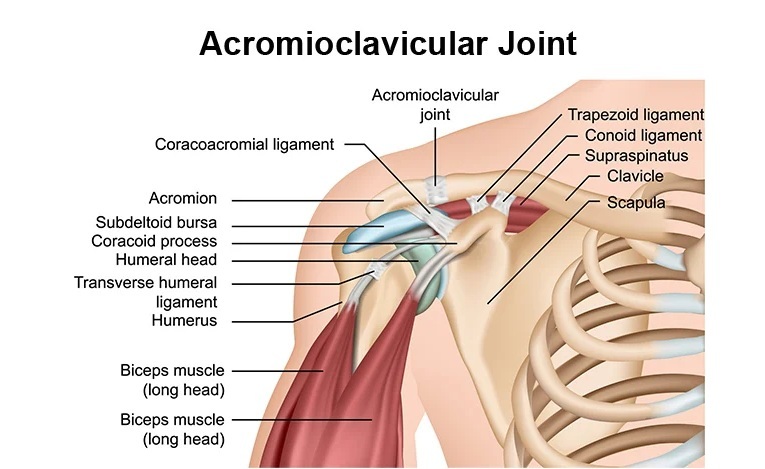
Ever had a sharp pain on the top of your shoulder after a fall or heavy lift? That could be an Acromioclavicular (AC) Joint Injury—a common yet often overlooked shoulder problem. The AC joint is where your collarbone meets the highest point of your shoulder blade. Think of it like a tiny hinge that holds up your shoulder—when it gets damaged, even simple tasks like lifting your arm or wearing a backpack can feel impossible. In this article, we’ll walk you through what AC joint injuries are, what causes them, how they feel, and what you can do to get better—step by step. What is the AC Joint? The Acromioclavicular (AC) joint connects the collarbone (clavicle) to the shoulder blade (acromion). It allows arm movement above the head and helps stabilize your shoulder. What is an AC Joint Injury? An AC joint injury happens when the ligaments around this joint get sprained or torn—often from a fall or direct blow. It can range from mild soreness to complete separation of the joint. Types of AC Joint Injuries Sprains: Mild ligament stretching or tearing Separations: The clavicle and acromion are pushed apart Osteoarthritis: Wear and tear over time from repetitive stress Common Causes of AC Joint Injuries These injuries are often caused by: Falling directly on the shoulder Sports collisions (especially in rugby, football, cycling) Heavy lifting or repetitive overhead motion Car accidents It’s the kind of injury that can happen in a flash—one bad fall is all it takes. Symptoms to Look Out For Pain at the top of the shoulder Swelling or bruising A bump where the collarbone sticks up Limited shoulder movement Clicking or popping sensations If your shoulder feels off-balance or unstable—listen to it. How AC Joint Injuries Are Diagnosed Doctors use: Physical examination X-rays to check joint alignment MRI or ultrasound if soft tissue damage is suspected They may ask you to lift your arm or perform certain movements to see how your joint responds. Grades of AC Joint Separation AC joint injuries are typically graded from Grade I to Grade VI: Grade I: Mild sprain Grade II: Partial ligament tear Grade III: Complete separation Grade IV-VI: Severe displacement (usually needs surgery) The higher the grade, the more intense the injury and treatment. Non-Surgical Treatment Options For Grades I–III, many people heal without surgery: Rest and ice Arm sling for a few days Pain relievers (NSAIDs) Physical therapy It’s all about reducing pain and regaining strength gradually. When is Surgery Required? Surgery may be needed when: The injury is Grade IV or higher Pain and weakness persist after rehab You’re an athlete or manual worker who needs full shoulder function Surgery typically involves reconstructing the damaged ligaments. Physical Therapy and Rehabilitation Rehab focuses on: Restoring motion Strengthening the rotator cuff and upper back Improving shoulder stability Therapists guide you step by step, avoiding reinjury. Recovery Timeline and What to Expect Here’s a general outline: 1–2 weeks: Pain relief and rest 2–6 weeks: Regain movement 6–12 weeks: Strength building 3–6 months: Return to full activity Everyone heals differently, but consistency matters. Everyday Tips for Pain Management Apply cold packs for 15-20 minutes at a time Avoid lifting heavy objects Sleep in a reclined position if lying flat hurts Use supportive taping or braces if recommended Think of it like pampering a bruised apple—gentle handling goes a long way. Exercises to Strengthen the AC Joint Some simple, effective moves: Shoulder blade squeezes Wall push-ups Resistance band rows Arm circles Do them slowly and with control. No rush! Preventing Future AC Joint Injuries Warm up before activities Use proper form when lifting or exercising Strengthen your shoulder and upper back Avoid overtraining or repetitive stress Your shoulder is like a machine—keep it tuned and maintained. When to Return to Sports or Work You can get back to activities when: You’re pain-free You have full range of motion Strength is close to your uninjured side Consult your doctor or therapist before returning to high-impact sports or physical jobs. Conclusion An Acromioclavicular (AC) Joint Injury can throw a wrench in your daily routine, but with the right care and recovery plan, you can bounce back stronger. Whether you’ve suffered a mild sprain or a severe separation, the key is understanding your injury and choosing the right treatment path. Your shoulder supports you through life—return the favor with the care it needs Frequently Asked Questions (FAQs) How long does an AC joint injury take to heal? Mild injuries can heal in 2–6 weeks. Severe ones may take several months or require surgery and rehab. Can I live with an untreated AC joint injury? Some minor injuries may improve without treatment, but ignoring moderate to severe ones can lead to long-term pain and limited motion. What does a Grade 3 AC joint separation mean? It’s a complete separation of the AC joint, often with a visible bump. It usually heals without surgery but needs focused rehab. Will I get full shoulder function back after surgery? Most patients regain strong, stable shoulder function after surgery and rehab—especially athletes or active individuals. Is it safe to lift weights after an AC joint injury? Eventually, yes—but only after clearance from your doctor and therapist. Start light and work your way up safely.